Comprehensive Land Development Due Diligence for Investors
Land acquisition decisions should never rely on assumptions. Cullina Management provides land development due diligence services in Southwest, Intermountain West, and Regions of California, helping investors evaluate properties before committing significant capital. Our team reviews zoning regulations, environmental conditions, infrastructure access, and development feasibility so investors understand potential risks and opportunities. Call (888) 973-1653 to evaluate your land development opportunity with experienced due diligence guidance.
Understanding Land Development Due Diligence
Land development due diligence evaluates a property before acquisition or development begins. It reviews regulatory, physical, and financial factors that may affect feasibility.
Without proper review, investors may overlook issues that impact timelines or costs.
Cullina Management provides strategic evaluation so investors understand:
• Whether the property supports the intended development use.
• What approvals or entitlements will be required?
• What environmental or infrastructure constraints may exist?
• What regulatory processes could affect development timelines?
By identifying these issues early, investors can make informed decisions before committing resources.
Key Areas Evaluated During Due Diligence
Land development projects involve multiple technical considerations. Our due diligence process focuses on the most critical factors that influence project feasibility and long-term value.
Zoning and Land Use Analysis
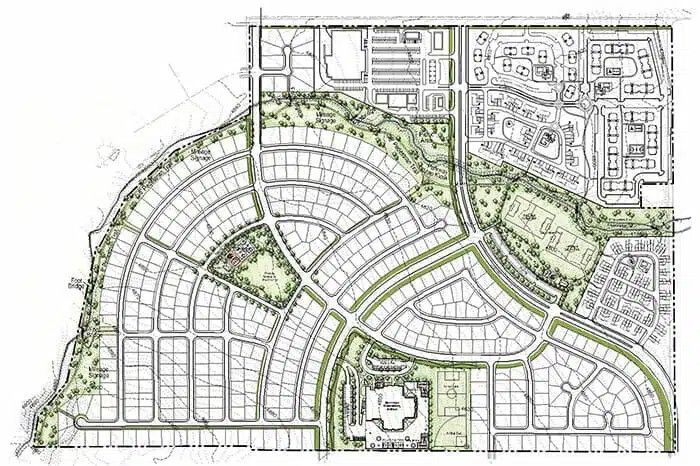
Zoning regulations determine how land can legally be used. Our team reviews zoning classifications, development standards, and land use policies to determine whether the intended project aligns with local regulations.
Key factors include:
• Permitted land uses
• Density and building limitations
• Future land use plans
• Overlay districts and special regulations
Understanding these factors helps investors determine whether the property supports their development goals.
Regulatory and Jurisdictional Review
Local governments regulate land development through approval processes and planning policies. Cullina Management evaluates the regulatory environment surrounding each property.
This review may include:
• Development approval requirements
• Municipal policies affecting land use
• Local planning priorities
• Political and regulatory considerations
Understanding these factors allows investors to anticipate the level of complexity involved in moving a project forward.


Environmental and Site Conditions
Environmental considerations can have a major impact on land development feasibility. Certain site conditions may require mitigation, additional studies, or regulatory approvals.
Our review may include:
• Floodplain considerations
• Environmental contamination risks
• Wetlands or protected habitat areas
• Soil conditions and geotechnical concerns
Identifying these conditions early helps prevent unexpected delays later in the development process.
Infrastructure and Utility Capacity
Infrastructure availability is another important factor in development feasibility. Projects require access to utilities, transportation, and other infrastructure systems.
Cullina Management evaluates factors such as
• Water and sewer availability
• Electrical capacity
• Road access and transportation connections
• Stormwater management requirements
These factors influence both project feasibility and potential development costs.

Why Due Diligence Matters for Investors
Land development involves significant financial risk if projects are not properly evaluated before acquisition. A well-executed due diligence process allows investors to make informed decisions and avoid costly surprises.
Benefits of professional due diligence include:
• Identifying regulatory barriers before land is purchased
• Understanding approval timelines and entitlement requirements
• Evaluating environmental and infrastructure challenges
• Clarifying development feasibility and potential value
Cullina Management works directly with investors to provide reliable insights that support confident investment decisions.
Supporting Investors Throughout the Land Evaluation Process
Cullina Management represents investor interests during the due diligence stage. Our role is to provide strategic evaluation and coordinate the technical professionals needed to fully assess a property.
Depending on the project, this may involve collaboration with:
• Engineers
• Environmental consultants
• Land use attorneys
• Surveyors and technical specialists
By coordinating these experts, we help investors gain a clear understanding of the property before moving forward with development plans.
Common Questions About Land Development Due Diligence
What is land development due diligence?
Land development due diligence is the process of evaluating a property before acquisition or development begins. This analysis reviews zoning regulations, environmental conditions, infrastructure availability, and other factors that influence development feasibility.
Why is due diligence important before buying land?
Without proper evaluation, investors may encounter regulatory barriers, infrastructure limitations, or environmental constraints that affect the project timeline or budget. Due diligence helps identify these issues before capital is committed.
How long does the due diligence process take?
The timeline depends on the complexity of the property and the jurisdiction involved. Some evaluations may take several weeks, while larger development opportunities may require more extensive analysis.
Evaluate Your Next Land Investment With Confidence
Call (888) 973-1653 to discuss your property evaluation and land development due diligence needs with Cullina Management.